

Two decades ago, digital payment in Nepal was a novelty. Today, it is the heartbeat of our national economy. This journey of digital maturity was never just about replacing paper with pixels; it was about building a foundation where technology serves the growth and prosperity of every citizen. As we look toward 2030, the industry is shifting its focus from providing simple convenience to enabling true financial agency for all.
When eSewa crossed 10 million downloads in August 2024, it signaled more than just a successful app rollout. It marked the moment digital finance became a nation-wide habit. Every time a merchant in a remote district accepts a digital payment, the standard for financial participation in our economy rises. Over the past twenty years, F1Soft International has worked in the background for this shift, empowering over 90% of our country’s financial institutions to remove the friction of long queues and manual record-keeping. But convenience is only the first step. The next era is about building a seamless financial life that creates real, predictive value for families and businesses across Nepal.
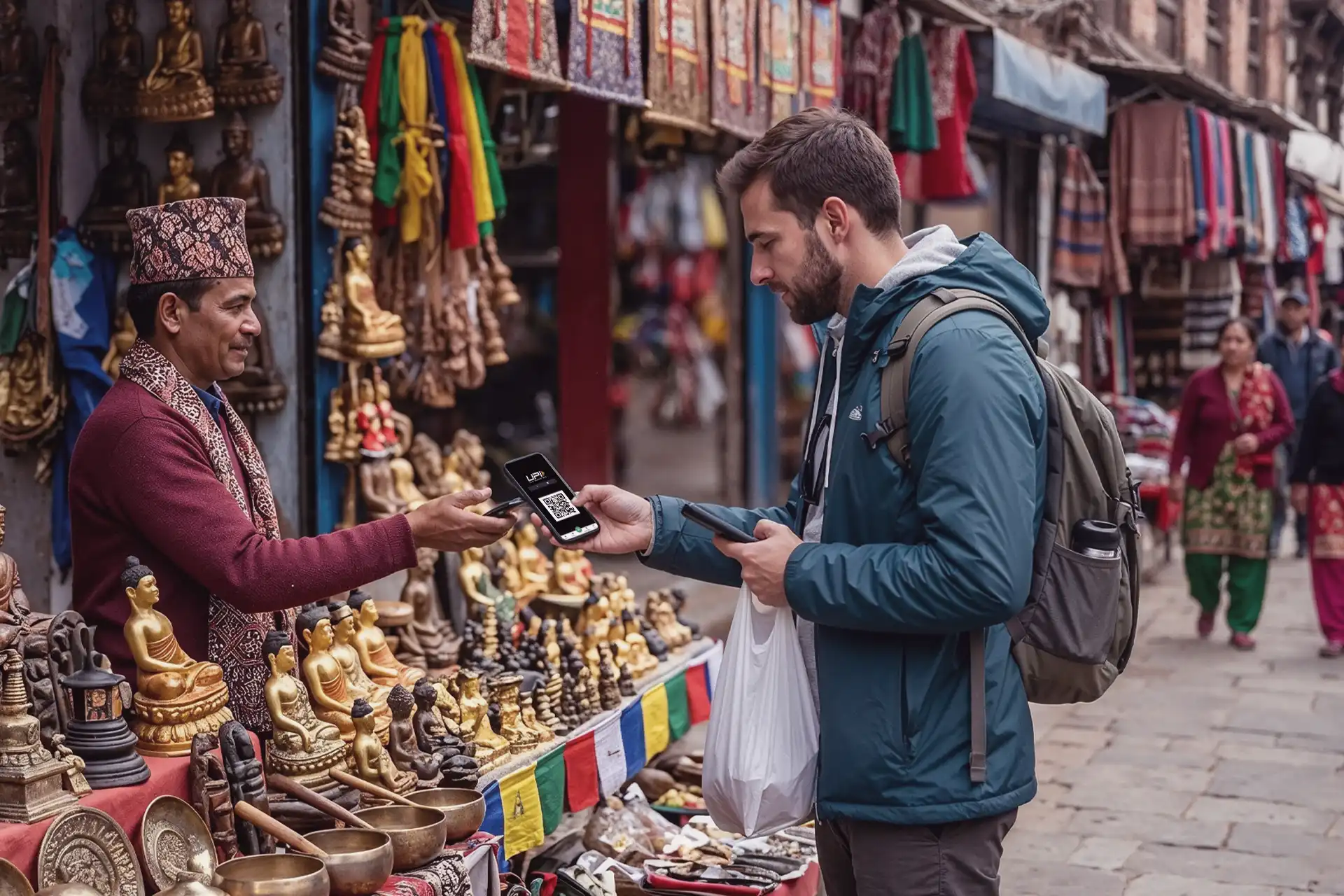
One of the most visible signs of our progress is how seamlessly we now connect with the world. The partnership between Fonepay and India’s UPI—reaching over 1 million transactions and NPR 2 billion in volume by mid-2025—is proof of this borderless future. This connectivity acts as a massive catalyst for local agency.Consider a local handicraft seller in Patan or a small homestay owner in Pokhara. In the past, selling to a global traveler meant navigating currency exchange hurdles and high fees. Today, through strategic cross-border integrations like Alipay+, 1.7 million merchants across Nepal are instantly accessible to travelers from Singapore, South Korea, China, and beyond. The traveler avoids the risks of carrying cash, and our local merchants get paid instantly and securely in Nepalese Rupees. This is not just technology; it is the democratization of global trade for the local entrepreneur.
If the last decade was about the app, the next five years will be about making finance a natural part of everyday life. Globally, the shift toward integrating financial services into daily experiences is projected to reach $7.2 trillion by 2030. This global trend validates the early groundwork we’ve laid in Nepal. Our vision is a future where "banking" isn't a separate activity you do, but a quiet, helpful utility within your daily journey—whether you're shopping for groceries or planning for your child's education.
This future is powered by intelligence. The data from two decades of digital transactions is finally being used to help citizens "architect" their own financial futures. Imagine a system that understands your family's needs better than you do—identifying better insurance rates, automating monthly savings, and protecting your hard-earned money from fraud before a payment is even processed.

By 2030, AI banking assistants will help manage household budgets and provide spending insights that empower people to make better decisions. This is the shift from "participation" to "prosperity"—where our tools help us live, grow, and plan for generations to come.
The digital economy of 2031 won't be defined by how many people have a bank account. It will be defined by how many people have the agency to grow. As an economy, we’ve collectively built the transactions; now, we are building the transformations.
The next five years will prove that when technology meets trust and national purpose, the possibilities are limitless. We aren't just changing how people pay; we are changing how they live and prosper. This is the future of Nepal’s digital journey. And for our industry, the true work of building national prosperity has only just begun.

Jun 23, 2026

May 25, 2026